Introduction
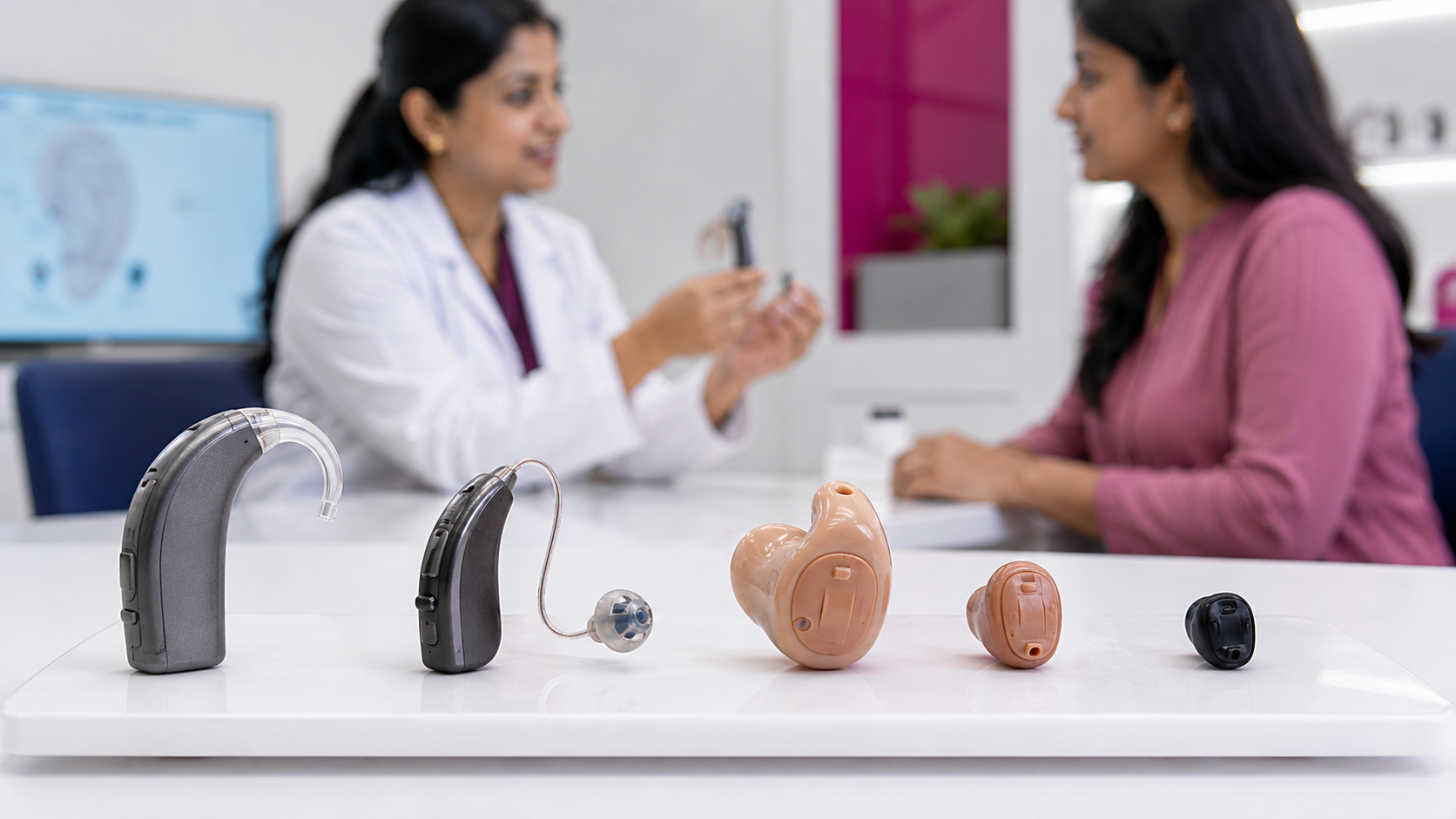
Digital hearing aids are small electronic devices designed to help people hear sounds more clearly. Instead of simply making every sound louder, modern digital hearing aids can analyse and process incoming sound before delivering it to the ear. This allows the device to be programmed according to a person's hearing assessment, listening needs and comfort preferences.
1. What Is a Digital Hearing Aid?
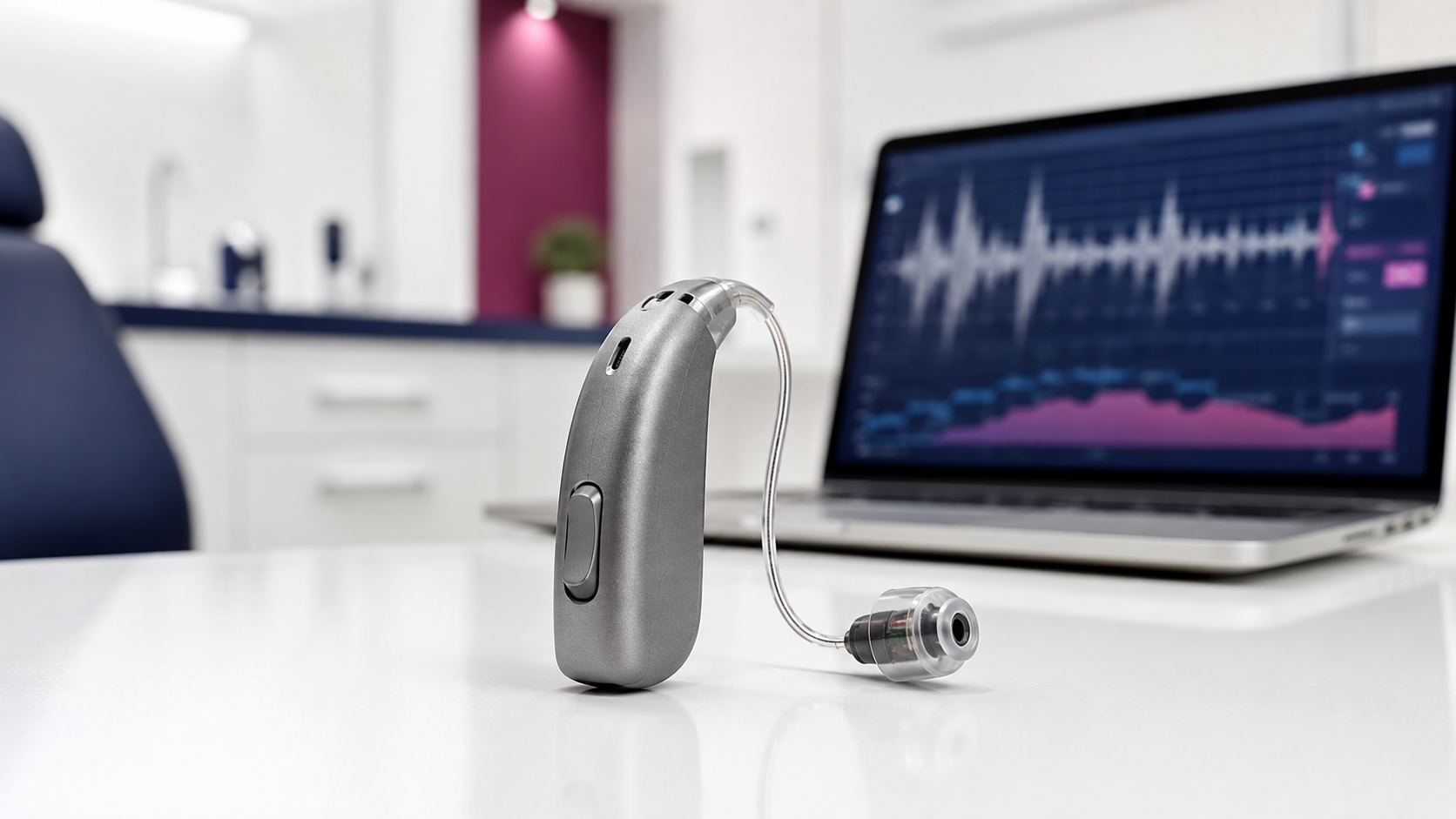
A digital hearing aid contains microphones, a digital processor, an amplifier or output stage and a receiver that delivers sound to the ear. When sound enters the hearing aid, it is converted into digital information. The processor then analyses that information and applies programmed adjustments before the sound is delivered to the listener.
2. How Digital Hearing Aids Process Sound
3. Why Professional Hearing Aid Programming Matters
Digital hearing aids can be adjusted to match an individual's hearing assessment rather than using the same settings for every person. A hearing care professional can program different frequency ranges, output levels and listening features according to hearing needs. Follow-up adjustments are also important because real-world listening experiences can help identify where additional fine-tuning may improve comfort and usability.