
Puducherry | Cuddalore | Villupuram

Protect Your Hearing

Your hearing is worth protecting. Everyday exposure to loud sounds can add up over time, but safer listening habits, appropriate hearing protection and regular awareness of your hearing can help reduce unnecessary risk.

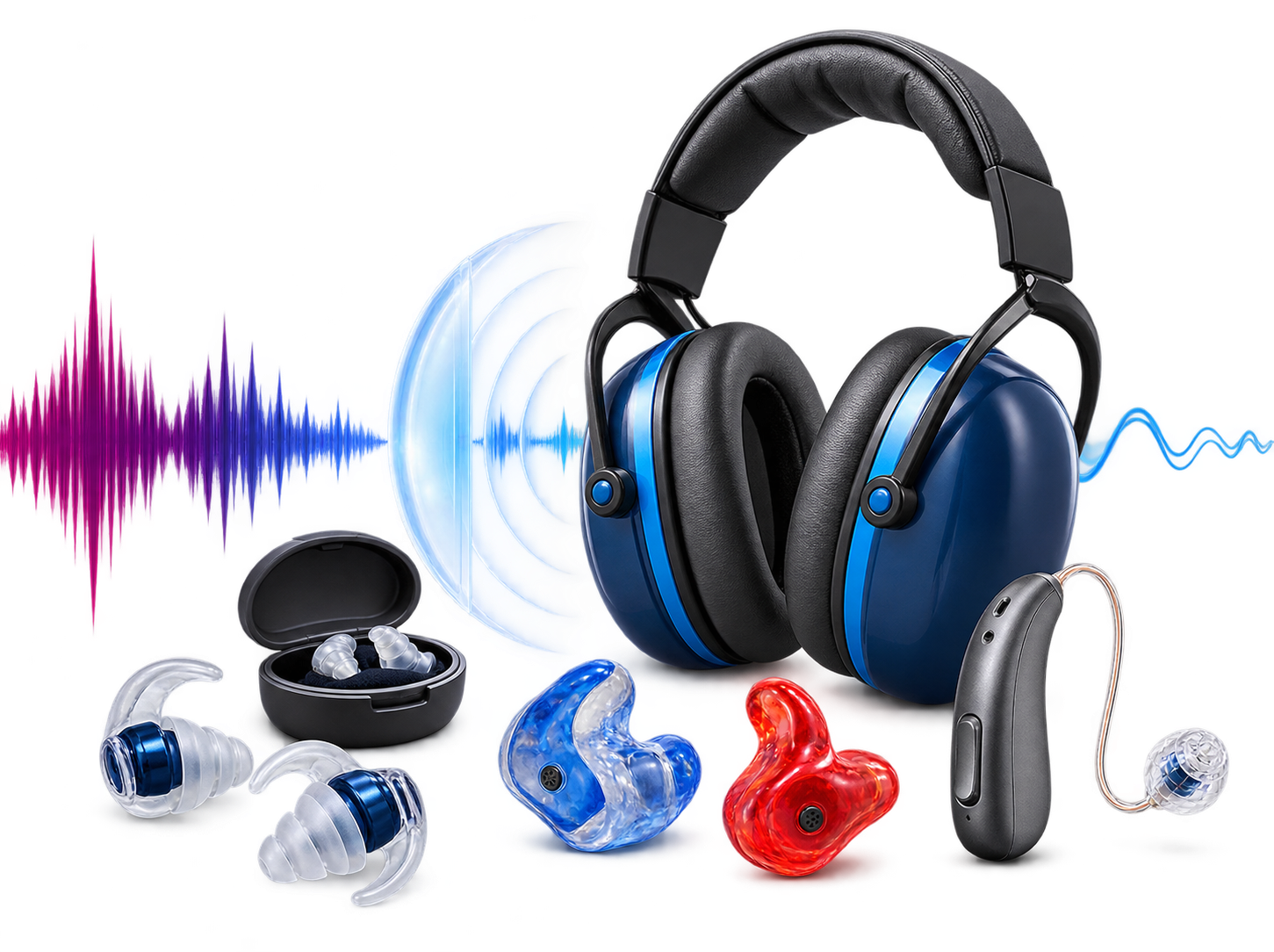
Headphones representing safe listening and hearing protection

Why Hearing Protection Matters

Loud sounds can place stress on the sensitive structures responsible for hearing. The risk depends on how loud the sound is, how long you are exposed and how frequently the exposure occurs. Good hearing-protection habits can help reduce your risk of preventable noise-related hearing damage.

Loud soundscan cause damage

Exposure timealso matters

Many risks arepreventable

Healthy habitsprotect hearing

When Your Hearing May Be at Risk

  • Listening to music at very high volume
  • Spending long periods around loud machinery
  • Standing close to loudspeakers at concerts or events
  • Using headphones loudly for extended periods
  • Repeated exposure to traffic, tools or industrial noise
  • Experiencing ringing or muffled hearing after loud sound

Protect Hearing in Different Situations

Headphones & Personal Audio

Keep listening levels comfortable, avoid long periods at high volume and use well-fitted headphones to reduce the need for extra volume.

Workplace Noise

Use appropriate earplugs or earmuffs, follow workplace safety procedures and take breaks away from loud equipment when possible.

Concerts & Events

Wear suitable earplugs, avoid standing directly beside speakers and take regular breaks in quieter areas.

Children & Young Listeners

Encourage safe volume habits early and use suitable hearing protection when children attend loud events or activities.

Everyday Hearing Protection Habits

Lower the Volume

Avoid unnecessarily high listening levels.

Use Ear Protection

Wear earplugs or earmuffs around loud sound.

Increase Distance

Move farther away from loudspeakers and machinery.

Limit Exposure

Spend less time in very noisy environments.

Take Quiet Breaks

Give your ears recovery time from loud sound.

Monitor Volume

Use device features that track sound exposure.

Notice Warning Signs

Do not ignore persistent tinnitus or muffled hearing.

Check Your Hearing

Arrange testing if you notice hearing changes.

Simple Ways to Protect Your Hearing

Keep Volume Lower

Choose comfortable listening levels.

Use Ear Protection

Use earplugs or earmuffs in loud settings.

Move Away

Increase distance from loud sound sources.

Limit Listening Time

Reduce prolonged exposure to loud environments.

Take Quiet Breaks

Allow your ears time away from loud sound.

Check Your Hearing

Get assessed if you notice hearing changes.